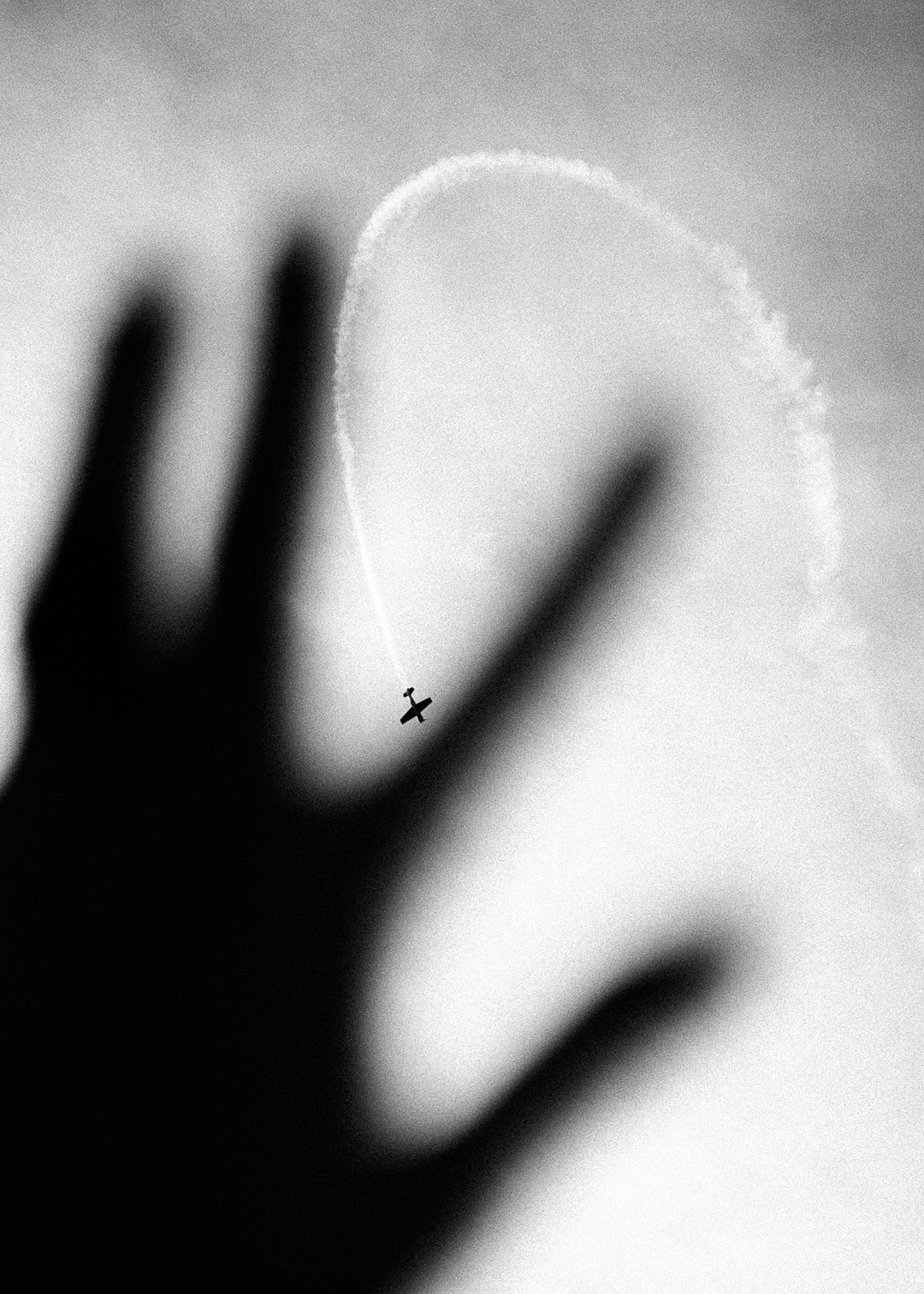
Photo by Chris Leskovsek

Photo by Jerry Hsu

Photo by Claudio Majorana
Photo Magazine
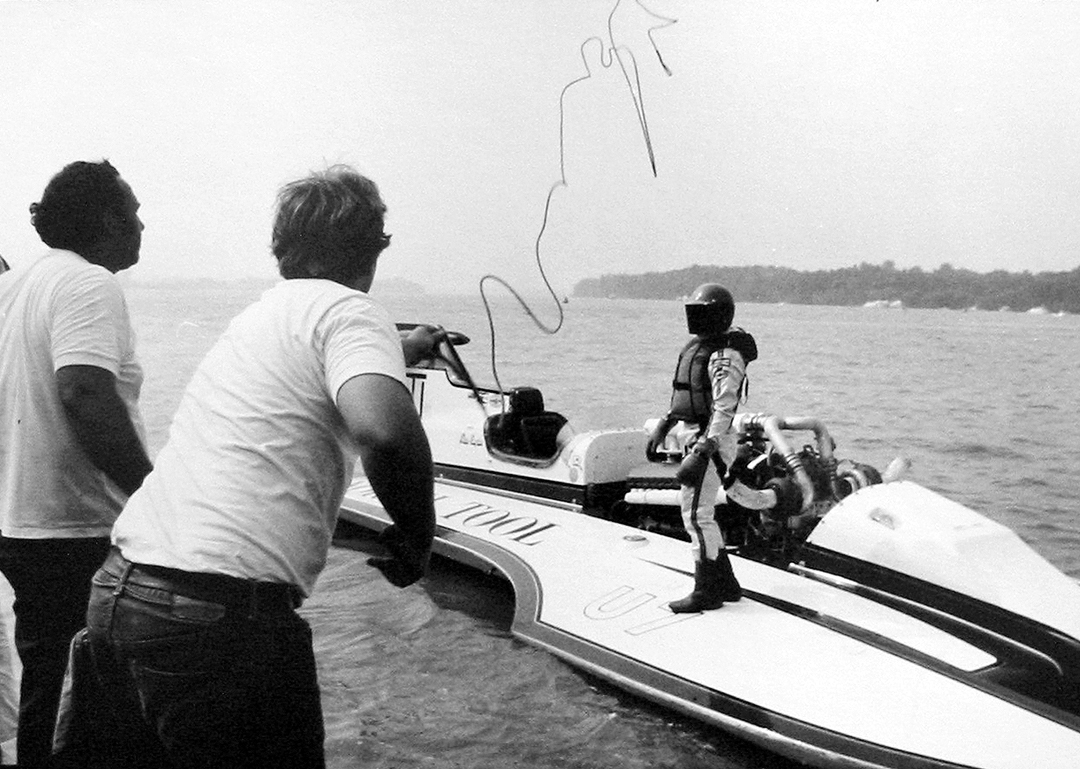
Photo by Bill Burke
While we got over 500 hits on the site only 10 votes came it. I was surprised but I do know some people were having problems on some mobile browsers. I am actually going to leave the poll open and see if further analysis is required. But I don’t think that will be the case.
As I suspected, “All of the Above” got the most votes. Which means a good amount of you agree that there is not one most important ingredient to making a great photo. And since that was the purpose of this poll, then the results are inconclusive.
“Emotional Content” got the second place. This topic was also the majority of the commentary. While it is essential in a great photograph, we as a group have found that it is only 20% of the pie.
There was 1 vote for “None of the Above”. That means 10% of you believe that none of the candidates listed would make a great leader. That is just as valid and important to consider too. When I listed “None”, I didn’t mean “Nothing”. So from that we can infer 10% of a great photo could be a nameless magic ingredient. To keep it glass is half full I marked it in the pie chart as “Unknown”.
There are different ways to interpret the data. If we divided the “All of the Above” votes into mini votes for everything, then we would add a .4 % vote for each candidate. Therefore “Emotional Content” would win while other ones like “Timing” would make the scoreboard. Although “Unknown” would still be scoring higher.
But that wasn’t the goal of the poll. We wanted to find out your number 1 ingredient and a vote for “All of the Above” is not 1 ingredient. We could’ve left it off the poll but this gives us useful info too. According to a strong and united 40% of you, a combination of all these things is what makes a great photo.
On the other hand, 60% of you disagree. If we go by the numbers then “Emotional Content” is the leader, but the majority is not united. We cannot ignore the voices for “Mystery”, “Energy”, “Composition”, and the X factor of the “Unknown”.
Could it be impossible to create a formula for a “perfect” photograph? I think we need more data.
This was fun. More polls in the future.

Photo by Troy Holden
Ok I downloaded a poll plugin. I’m a nerd’s nerd and I like DATA. After the discussion in the last article, the comments became about the magic ingredients for a masterpiece level photo. That’s what I was getting out of it anyways. If we at least know the ingredients, maybe we can figure out how to bake these cookies.
After thinking about it all night, I do not think there is a magic formula for a photo that can ring truth spanning across all generations and cultures. But, if you are looking at this website and you know what we are doing over here, then you know that we are all in the same general type of genre/category/aesthetic or whatever you want to call it. So maybe we can have a formula for our little section of the photo universe.
Also, I think there might exist 2 ways to look at a photograph. One as a photographer. And one as civilian. For instance I think I look at photo books as a photographer, but I view the newspapers and commercial magazines as a civilian. This might not be true in every case, but generally I think I operate this way. So I made this poll to contain aspects of both types of viewing.
Vote here for what you think is the most number 1 important aspect of a great photo. What connects you most? What engages you as a viewer? We know it is a combo of all of them, but if you had to choose just one. What would it be?
If you choose “None”, then leave in the comments what you think I might have left off. Thanks in advance.
** Poll not responding on some mobile browsers. Not sure why.
 Loading …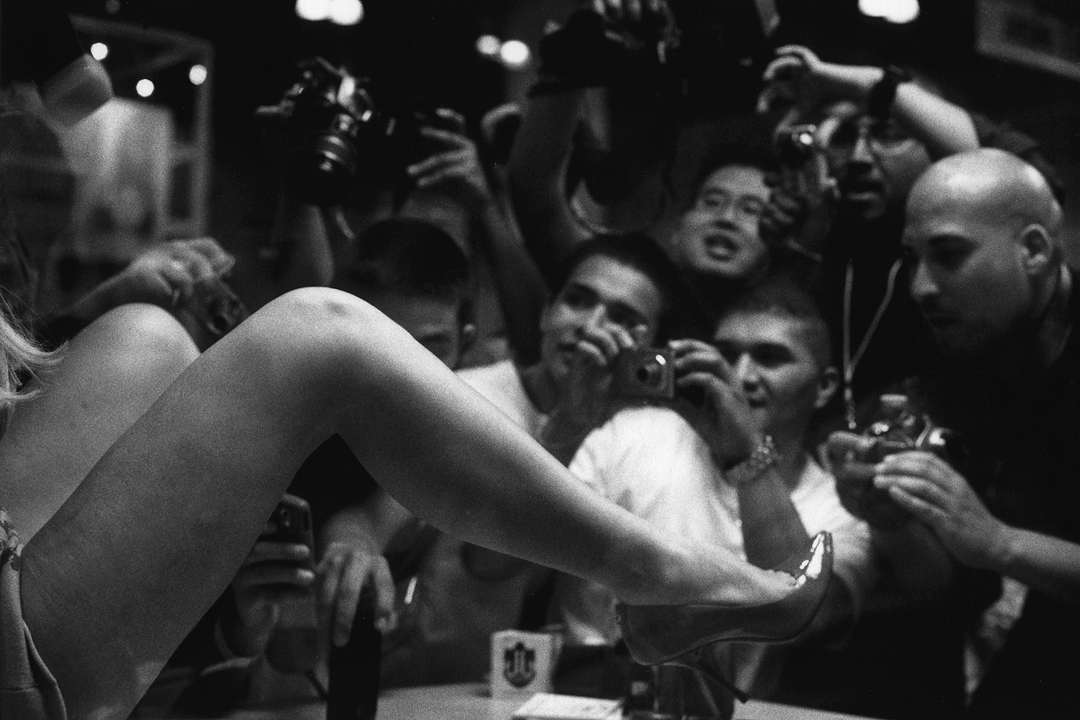
Photo by Elmo Tide
Getting awesome feedback! Thank you all for reading these things and glad my random thoughts and ideas are resonating. If you have any questions that you think I should write about, leave them in the comments section or feel free to email me :
ray@hamburgereyes.com
This came in from regular photo contributor Reuben Radding:
Here’s what I’m having a hard time with: new questions. When I started grad school I dedicated myself to finding new questions to replace the outmoded and fully answered ones like, “Is it documentary or fine art?” “Why black & white vs color? digital vs film?”, etc etc etc… And the idea was that if we accept these issues as a waste of thought, what is next? What are the next big questions?
I have spent two years busting ass, growing, learning, questioning, and I’m not sure I know what the questions are other than, “What is the specific energy or quality or whatever that makes a photograph really sing out when it obviously doesn’t depend on “correctness” or “important content”?
We all know this quality when we see it. And we all chase it. And different photos are strong for different reasons, but what is this elusive aliveness that no one can put in a lens review or a guide to composition? I’m only scratching the surface to find an answer for this yet, and I’m still looking for more questions that aren’t “Canon vs Nikon” or “Wide angle vs Normal.” Maybe, “How can I put everything I am into a frame?” or “Who the hell is Elmo Tide?”
Thanks Reuben. Firstly, I think this might be the impossible question. Let’s try it. I have mentioned story telling in other posts. I say if you can tell a good story then your photos are “good”. But that involves multiple frames and editing much like making a feature film. And I think you’re saying, “What makes 1 particular frame really good?” To me that’s almost like saying, “What is art?” Let’s look it up.
art
noun
1. the expression or application of human creative skill and imagination, typically in a visual form such as painting or sculpture, producing works to be appreciated primarily for their beauty or emotional power.
“the art of the Renaissance”
synonyms: fine art, artwork
“he studied art”
2. the various branches of creative activity, such as painting, music, literature, and dance.
Ok we have some clues. Look at the first definition. Beauty is in the eye of the beholder. We know about beauty so let’s scratch that one off. “Emotional power”. That’s the nectar right there. You touched on it when you said “aliveness”. The viewer is feeling something looking at the photo. Maybe a “good” photo steers them in a particular emotional direction.
This is a list from Wikipedia :
Robert Plutchik’s theory says that the 8 basic emotions are:
Looking at this list it is no wonder why joy is favored as such a premium and why bad news dominates every tv channel. People need to get charged up emotionally in either direction.
This makes me think of Robert Frank’s “The Americans”. While 100s or 1000s of photographers have traveled across the country and made books about it, his became one of the most celebrated photo books of all time. And it’s because it had a darkness to it. A sadness. And in the 1950’s that kind of emotional exploration was new and sophisticated.
I don’t know if this is theee answer, but it’s an answer. Emotional content. Maybe if you can shoot something in a strong emotional state, and somehow that emotion transfers over to the viewer, then maybe you have just made a “good” photo.
Second. I don’t know who is Elmo Tide. But what a great example of no social media, no website, just Flickr and epic photos. I feel lucky that he somehow found Hamburger Eyes and decided to submit photos, a few rounds of photos actually. If you are reading this Elmo, we are huge fans and can’t wait to see more.

Photo by Sandy Kim

Photo by Alex Bartsch

Photo by Alex Martinez
If you haven’t yet, subscribe to the Hamburger Eyes email list!
[mc4wp_form]

Photo by Lele Saveri

Photo by Jai Tanju
Lots of emails and DMs about that last one and I think I can go deeper on the topic. And thank you for your messages! I never know who is reading these things. If you like the posts, do me a huge favor. Leave a comment on the article. That way we can all discuss it together because I got multiple messages from multiple different voices. Secondly, Google will rank the site better with more “engagement”. That means people leaving comments. And that means I can keep doing this! I also made it so you can comment anonymously if you are feeling shy.
The truth is everyone who has been shooting for a long time goes through these waves of feeling stuck or stagnant vs flowing and charged up. It is partly a motivation problem but I think it is mostly a curiosity problem.
I looked it up.
cu·ri·os·i·ty
noun: curiosity; plural noun: curiosities
1. a strong desire to know or learn something.
“filled with curiosity, she peered through the window”
synonyms: interest, spirit of inquiry, inquisitiveness
“his evasiveness roused my curiosity”
2. a strange or unusual object or fact.
“he showed them some of the curiosities of the house”
I like to look up definitions to figure out if I am using the word correctly since I ditched school all the time. Not only on paper or blog but also in my mind. Your mind plays tricks on you. Most of the time your mind is wrong. You might think your stuck because your lazy, but it’s not true. You are really busy. And really distracted.
So what do you have a strong desire to know or learn about? Easy examples are nature, humans, music, sports, current events, etc. But as an editor, publisher, and lover of a particular style of photography I’ll tell you what you should be more curious about. That is YOU.
YOU are the strange or unusual object that makes us, the viewer, want to see and learn about.
“All photographs are a self portrait.” That’s a quote I learned in school and I can’t remember who said it. Your photos are you showing yourself to the viewer. What’s your story? Who are the characters in your story? If you are living on some farm in Australia, I don’t really want to see your photos of Golden Gate Bridge when you were on visiting there once 5 years ago. That is unless you see it in a way only a farmer from Australia could see it. But, I wanna see the farm. I wanna see the weird goats and weird chickens.
I stole this joke off my brother. When I had a camera out and he had to introduce me to another person he would say, “This is my biographer.” I started saying that too when I had photographers around me. But it’s funny because it’s sorta true. I’m an “auto-biographer” and working on my own pictorial history.
When you are stuck, I say if you can stay curious and stay explorative about your own story, then I think you can stay on that wave of motivation longer if not forever. And when you get good at telling your story, maybe someone will buy a part of it in the form of print, zine, or book. Or maybe they will hire you to help tell theirs.
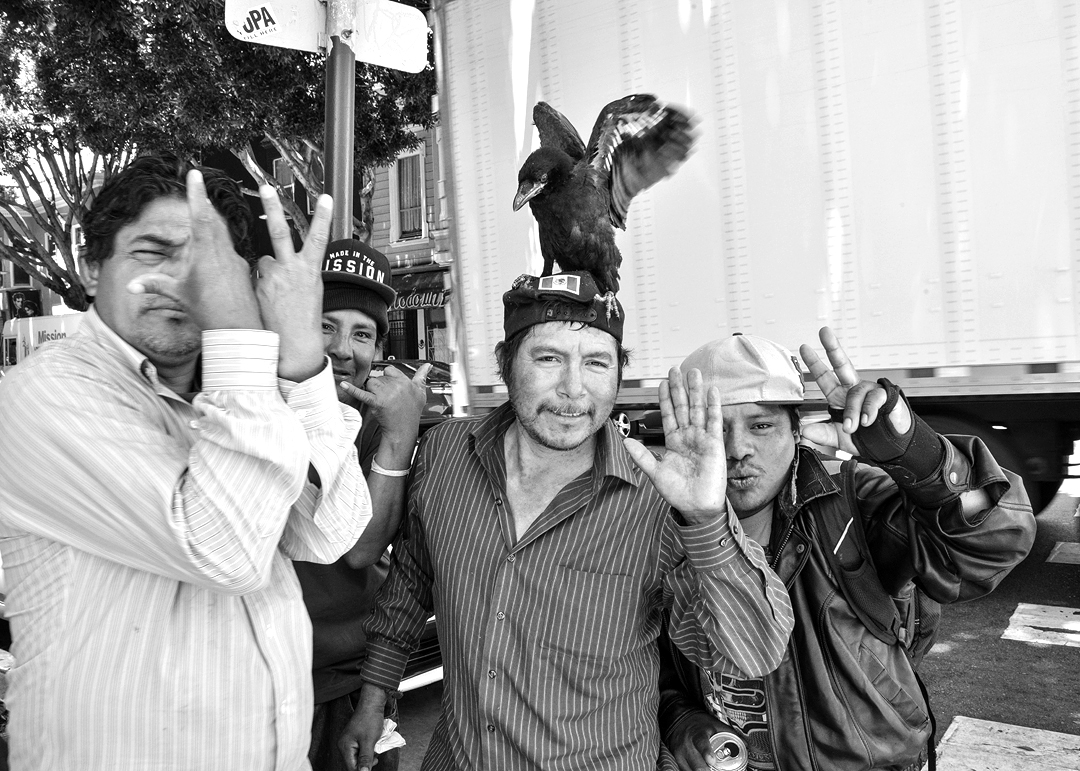
Photo by Ray Potes
I used to think about “wonderment”, like maybe wonderful and beautiful things is what I was looking for to photograph. Or how can I make a certain scene or story wonderful and beautiful with the artistry of my photography or something egocentric like that. But as I get older, the idea of what motors my photography has changed.
I had friends that warned, “Your energy dropping is the biggest thing you’ll notice when you hit 40.” And while they are kind of right, they didn’t mention that your energy management naturally then evolves and thus your energy becomes more stabilized. You purposely want to eat better, you purposely want to walk or ride a bike for extra exercise vs sit in traffic and look for parking. You purposely don’t put yourself in energy draining scenarios.
Getting sidetracked. As you get older you evolve. Maybe you used to lay in gutters and shoot photos of your friends skateboarding. Maybe you traveled a lot and shot more back in the day. But you as a person are always changing and evolving and it is natural for your photos to change and evolve as well. I am not talking about changing up your aesthetic and trying ridiculous things to up your creativity levels. Unless you want to, that’s fine.
What I am getting at is that if your interests have changed while your photography has stayed the same then usually comes a phase of burnout. And I think to combat this burnout is to check your curiosity levels.
I have seen photographers go from 50 rolls a week straight to Netflix all day and being over it. Some say the driving force is energy levels, I say it is curiosity levels.
While at one point it was curious for me to see what someone can do a skateboard, today I am curious to see where a squirrel is hiding his nuts. (My sister is finding walnuts buried in her house plants on her balcony.)
I can admit though that it is possible to evolve out of photography. I have had photographer friends take up drawing or music or ceramics or screenprinting and finding other creative outlets that are at this point in their life more proper for them. And that is totally all good.
But this is a message to those photographers on the edge of feeling burnt. What are you curious about these days? What interests do you now have and how can you photograph it? Your environment has no doubt changed, what is this part of your story about? You need to share it because we need to see it.

Photo by Jason Roberts Dobrin
Not sure how many people are actually making prints in these modern times, but I thought I’d say something about it. I was blogging about how writing is helping me read better and vice versa, and it reminded me of how printing helps my shooting technique and vice versa.
The intended output for photography has always been for print. You would finalize your prints in the darkroom and then send it off for reproduction in a newspaper, magazine, or book. I was taught that the final print was everything. And to get that final print right, you had to expose and process your negs properly. In fact I had a lot of assignments in school where I had to turn in negs to prove that I was using my camera correctly and properly processing my film.
Eventually when you’re printing a lot and fixing things in the image, you start to realize you can fix certain things in camera when shooting. And when shooting a lot, you realize you can fix certain things when printing. And this is the ongoing cycle of life in photography.
Nowadays you would say “files” instead of negatives and “Photoshop” instead of darkroom. I process my edits in Adobe Camera Raw and finalize it in Photoshop and am constantly making zines and prints. Specifically, I will make some prints and get my stuff right before I drop them in Adobe Indesign to make a zine or book. And I guess this message is for those of you that don’t. I am trying to say if you want to level up consider making some 8×10 prints, hang them on the wall, and stare at them. Find out what went wrong and what went right. Your shooting will shape up and your photography will benefit.

Photo by Xiouping

Photo by Brian David Stevens

Photo by Stevie Dacanay
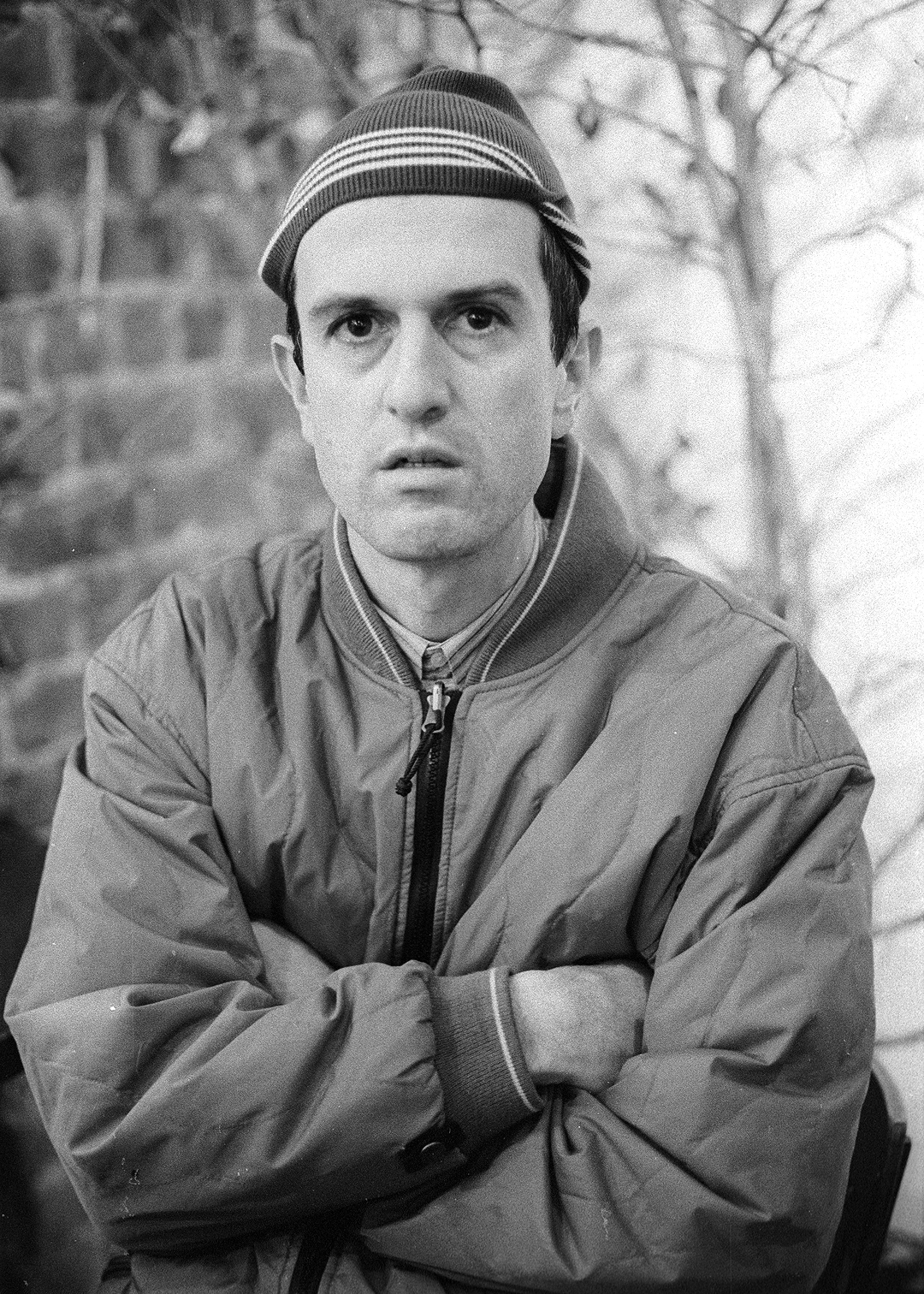
Photo by Tobin Yelland
============
If you haven’t signed up for our email list, subscribe here and keep up to date with us!
[mc4wp_form]
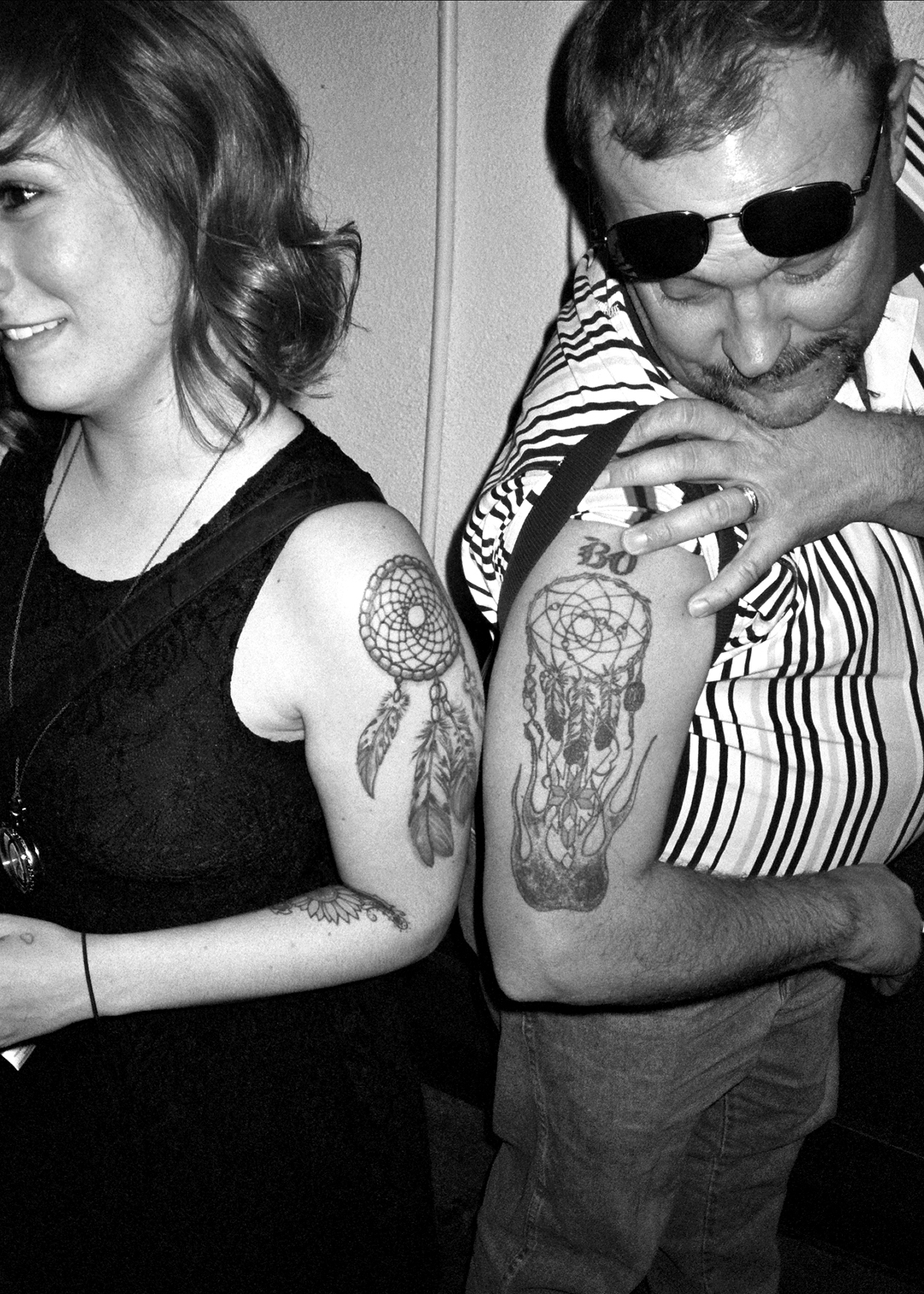
Photo by Alex Martinez
After you are shooting for a while and you got some compliments and made some prints for people, you eventually want more. You want to be published. I think it’s a validation thing to see your photos in a printed publication. Something you can show your parents that you’re not wasting your time.
But what if no one wants your photos? It happened to me. I submitted photos to 100 magazines and newspapers. Maybe not 100. This was pre-internet so the only way was to send a box of prints. A “portfolio”. You would have to wait until the editors went through stacks of portfolios and hope they would send yours back in a timely manner so that you can send it somewhere else. Sometimes they were cool though and would mail it to other editors for you. I had at least 3 in rotation. I know some guys that had more.
I didn’t ever get any magazine gigs then, but while waiting I was making zines. And I started getting cool feedback about them. And I started showcasing my friends’ photos too. And once there was some momentum, suddenly I got some magazine assignments. The irony is by the time I am getting these offers, my zines had evolved into a magazine where I can shoot and print whatever I want, sell it and make more money then what those jobs would have paid.
Not saying this is a proper path to pursue, but there are a ton of reasons to consider publishing your own work if you haven’t already. Here is a quick list.
1. It’s easy.
With all the new software and all the uploading technology of print shops these days, it is super easy to publish your own books and zines. Why not?
2. It’s fast.
If you are working with another publisher, they might have a whole team of people working on your stuff along with 100 other projects. It could take months before you even see half of a layout. If you know the basics, you could get it done in an hour or so.
3. You’re the Boss.
Most publishers will edit the shit out of your photos and the idea for the book is at minimum half of their idea. It really is a collaboration. If you do it yourself, it is all you. You are in the driver seat. On the other hand if it sucks, then that is all you too. LOL.
4. Money
Most book deals are like record deals. You will get some royalties but only after the book starts profiting. That includes all the production costs like printing, designing, editing etc. It is expensive to make a book which is why you would go with a publisher in the first place. But if you can manage the costs and manage the production yourself, then you can make 100% of the profits.
5. Timelines.
I mentioned speed earlier, you can get the project out faster than anyone else could. But you can also work at your own pace. Working with other publishers there are a lot of starts and stops and eventually gnarly deadlines. It can be difficult at times but not if there are no deadlines.
6. It’s a good workout.
Putting together pages, editing, and sequencing is a lot of work but it will only make you stronger. It will feel like you might die but you will live and will be a better person for it. It will be good for your brain and heart.
7. Learning a new trade.
Maybe you didn’t know about page signatures and paper stocks and spine width calculators but now you do and now you are a publisher. You have entered a new industry and maybe you will love it.
8. You can be weird.
I say “weird” a lot. It may have a derogatory sound to it. It’s because what ever is not “normal” is considered “weird”. Really I mean “creative” and not “mainstream” and “boring”. This is probably the main point to self publishing. You can do whatever you want and share your epic visions.
9. Fulfillment.
Even if it is xeroxed at 7-11 it is fulfilling because you made it and you are sharing it. I am talking in terms of validation status as mentioned in the beginning. When someone wants to see your photos, now you can just hand them a printed book. No need to exchange websites, ig handles, etc. Your work is in print.
10. Opportunities.
Sometimes, seeing someone’s photos online or in an exhibition isn’t enough to hire them for a commission or offer them a big book deal. But if you already have some books and zines and magazines to show them, the gears might start turning and they have a vision of how you can work together on something.
11. It’s fun.
I get a kick out of making things. You do too, that’s why your reading this.